The Kleinsasser Laryngeal Injection Needle: Enhancing Accuracy in Voice Treatment
In the ever-evolving world of ENT (ear, nose, and throat) surgeries, precision is paramount. The Kleinsasser Laryngeal Injection Needle has proven to be an indispensable tool for ENT specialists, especially in the management of voice disorders and laryngeal conditions. This specialized needle provides surgeons with unparalleled accuracy when performing delicate injections into the larynx, ensuring effective treatment while minimizing risks. This blog will explore the key features, benefits, and applications of the Kleinsasser Laryngeal Injection Needle, highlighting its significance in modern medical practice.
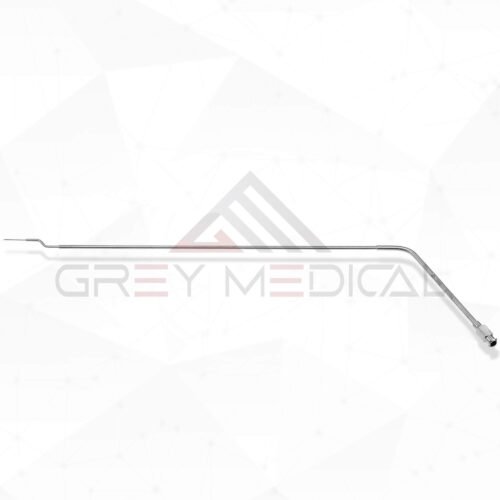
What Makes the Kleinsasser Laryngeal Injection Needle Unique?
The Kleinsasser Laryngeal Injection Needle is specifically designed to meet the demands of precise injections in the laryngeal area. Whether used for treating vocal cord paralysis, voice disorders, or laryngeal lesions, this needle stands out for its fine-tipped design and ergonomic handle, ensuring accurate and controlled injections.
Precision and Fine Needle Tip
One of the most impressive features of the Kleinsasser Laryngeal Injection Needle is its fine needle tip. The delicate and sharp tip ensures that substances are injected directly into the target area, such as the vocal cords, with minimal tissue disruption. This reduces the risk of injury to surrounding tissues, a critical factor when working in the small, sensitive area of the larynx.
Ergonomic Handle for Comfort
An often-overlooked feature in surgical instruments is the handle, but the Kleinsasser Laryngeal Injection Needle excels in this area. Its ergonomic design allows surgeons to comfortably hold and maneuver the needle during lengthy procedures. The handle's design promotes steady control, which is essential when performing intricate injections, especially in patients who require multiple injections or precise adjustments.
Flexible Shaft for Better Maneuverability
The flexible shaft of the Kleinsasser Laryngeal Injection Needle allows surgeons to manipulate the needle in various directions, even in tight or hard-to-reach spaces within the larynx. This flexibility makes it easier to perform injections at different angles, providing the surgeon with better access to areas that would otherwise be difficult to reach with traditional, rigid needles.
Key Applications in ENT Procedures
The Kleinsasser Laryngeal Injection Needle has been developed to support a range of ENT procedures, primarily those focused on vocal cord and laryngeal treatments. Here are some of the most common applications:
Treatment for Vocal Cord Paralysis
Vocal cord paralysis can lead to a variety of symptoms, including hoarseness and difficulty speaking. One of the primary treatments for vocal cord paralysis is the injection of substances such as hyaluronic acid or corticosteroids into the paralyzed vocal cords. The Kleinsasser Laryngeal Injection Needle's fine tip ensures that these substances are injected precisely, helping to restore vocal function and improve patient outcomes.
Managing Laryngeal Lesions
Benign laryngeal lesions, such as cysts or polyps, can significantly affect voice quality and cause discomfort. The Kleinsasser needle allows surgeons to inject medications directly into the affected area to reduce swelling and inflammation. By targeting the lesions with precision, surgeons can help patients achieve better vocal cord mobility and faster recovery.
Voice Disorder Treatments
For voice disorders like muscle tension dysphonia, botulinum toxin (Botox) injections are commonly used to relax overactive muscles. The Kleinsasser Laryngeal Injection Needle is perfect for this application, as it allows for accurate placement of the botulinum toxin into the laryngeal muscles, improving voice function and alleviating the symptoms of muscle tension.
Advantages of the Kleinsasser Laryngeal Injection Needle
Reduced Risk of Complications
Due to its precise needle tip and flexibility, the Kleinsasser Laryngeal Injection Needle minimizes the risk of complications, such as accidental injury to surrounding tissues. Surgeons can confidently perform injections without the concern of damaging critical structures, ensuring safer outcomes for patients.
Enhanced Surgical Control
The ergonomic handle and flexible shaft provide excellent control during procedures. Surgeons can easily adjust the needle’s angle to suit the specific needs of the procedure, leading to greater accuracy in delivering injections. This added control not only improves the effectiveness of the treatment but also helps reduce the time required for the procedure.
Faster Recovery Times
Because the Kleinsasser needle minimizes tissue trauma, patients often experience faster recovery times. The precision of the needle ensures that injections are made without unnecessary damage to healthy tissues, which can result in reduced pain and inflammation post-procedure.
Conclusion: A Crucial Tool for Laryngeal Surgery
The Kleinsasser Laryngeal Injection Needle has firmly established itself as an essential tool in the field of ENT surgery. Its precision, flexibility, and ergonomic design provide surgeons with the control needed for successful voice disorder treatments, vocal cord injections, and laryngeal lesion management. By improving surgical accuracy and reducing risks, the Kleinsasser needle plays a vital role in ensuring positive patient outcomes and quicker recovery times. For any ENT surgeon performing laryngeal procedures, this needle is an invaluable asset.


.jpg)
Comments
Post a Comment