Dedo-style micro-laryngoscopes are essential tools in modern otolaryngology, offering precision and clarity for a variety of laryngeal procedures. Known for their lightweight design, built-in light source, and enhanced optical clarity, Dedo-style micro-laryngoscopes instruments provide surgeons with the ideal functionality for examining, diagnosing, and treating conditions affecting the vocal cords and larynx. This blog explores the features, applications, and advantages of Dedo-style micro-laryngoscopes in detail.
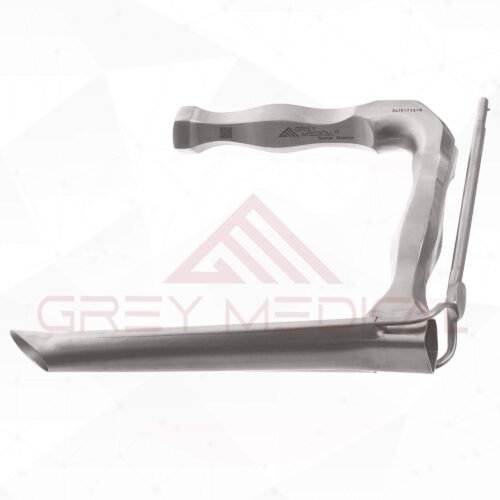
What is a Dedo-Style Micro-Laryngoscope?
The Dedo-style micro-laryngoscope is a specialized instrument designed to facilitate the observation and treatment of the larynx. It consists of a thin tube with integrated optics and an adjustable light source, allowing surgeons to clearly see the vocal cords and other structures within the larynx during delicate procedures. The instrument's sleek design provides excellent maneuverability, even in tight spaces, making it ideal for procedures that require high precision.
Features of Dedo-Style Micro-Laryngoscopes
Slim Profile for Easy Access:
The micro-laryngoscope's slender design makes it easy to access the larynx without causing significant discomfort to the patient. Its compact structure allows surgeons to work in confined spaces, which is particularly important in sensitive areas like the vocal cords.
Built-In Light Source:
One of the standout features of the Dedo-style micro-laryngoscope is its built-in light source. This illumination is critical for ensuring a bright and clear view of the surgical area, even in difficult-to-see areas such as the glottis and vocal cords. The light source is typically fiber-optic, providing consistent and high-quality lighting.
High Magnification:
Dedo-style micro-laryngoscopes are equipped with high-powered lenses that provide magnification, allowing surgeons to perform detailed procedures with greater accuracy. This magnification ensures that even the most delicate structures in the larynx can be observed and treated without risk of damage.
Ergonomic Handle Design:
Designed for comfort and control, the ergonomic handle of the Dedo-style laryngoscope reduces hand fatigue during extended procedures. Surgeons can maintain a stable and controlled grip throughout surgery, allowing for precise and efficient operation.
Applications of Dedo-Style Micro-Laryngoscopes
Vocal Cord Surgery:
The primary application of the Dedo-style micro-laryngoscope is in vocal cord surgery. Surgeons use it delicately to remove tumors, cysts, or polyps, and to perform repairs to vocal cord damage. The magnification and clarity provided by the scope ensures that precise cuts can be made, reducing the risk of damaging the vocal cords.
Laryngeal Biopsy:
Dedo-style micro-laryngoscopes are often used for laryngeal biopsies, where the surgeon uses the instrument to obtain tissue samples for diagnostic purposes. The high magnification and lighting allow for accurate biopsy sampling, even in difficult-to-reach areas.
Diagnosis of Laryngeal Disorders:
These micro-laryngoscopes play a key role in the diagnosis of various laryngeal conditions, including hoarseness, vocal cord dysfunction, and tumors. The scope enables thorough examination of the larynx, providing vital information that guides treatment plans.
Laryngeal Reconstruction:
In cases of trauma or congenital issues, Dedo-style micro-laryngoscopes are used in laryngeal reconstruction procedures. The precision offered by these instruments is crucial in rebuilding the vocal cords and surrounding structures for optimal function and appearance.
Benefits of Dedo-Style Micro-Laryngoscopes
Increased Precision:
The magnification and clear illumination provided by Dedo-style micro-laryngoscopes allows for greater precision during surgery, leading to better outcomes and fewer complications. Surgeons can delicate maneuvers with confidence, knowing that the visibility of the surgical area is optimal.
Minimally Invasive:
These instruments facilitate minimally invasive procedures, reducing the need for large incisions. The result is less trauma to the patient, leading to quicker recovery times and less post-surgical discomfort.
Improved Patient Outcomes:
By providing superior visualization, Dedo-style micro-laryngoscopes help ensure that surgeries are performed accurately, reducing the chances of errors and improving overall patient outcomes.
Care and Maintenance
To ensure the longevity of Dedo-style micro-laryngoscopes, proper care and maintenance are essential:
Cleaning:
After each use, the scope should be cleaned carefully to remove any tissue, blood, or other residues. Proper cleaning prevents contamination and ensures that the instrument remains safe for subsequent procedures.
Sterilization:
The instrument should be sterilized using an approved method, such as autoclaving or chemical sterilization. This is crucial to prevent infection transmission.
Inspection:
Regularly inspect the scope for any signs of wear or damage, such as scratches or malfunctions in the light source. Timely repairs or replacements should be made to ensure the instrument functions properly.
Conclusion
Dedo-style micro-laryngoscopes are indispensable tools in modern otolaryngology, providing surgeons with unparalleled precision and visibility during laryngeal procedures. Whether used for vocal cord surgery, biopsies, or diagnosis, these instruments play a crucial role in improving patient outcomes. Their slim design, integrated light source, and magnification capabilities make them essential for delicate procedures that demand accuracy and care. With proper maintenance, Dedo-style micro-laryngoscopes can deliver long-lasting performance, enhancing both the quality of surgical practice and patient care.


.jpg)
Comments
Post a Comment